Wraps & PPF
Color change in cast vinyl. Clear armor in PPF. Your call.
Brands we install — Avery Dennison · KPMF · 3M · XPEL
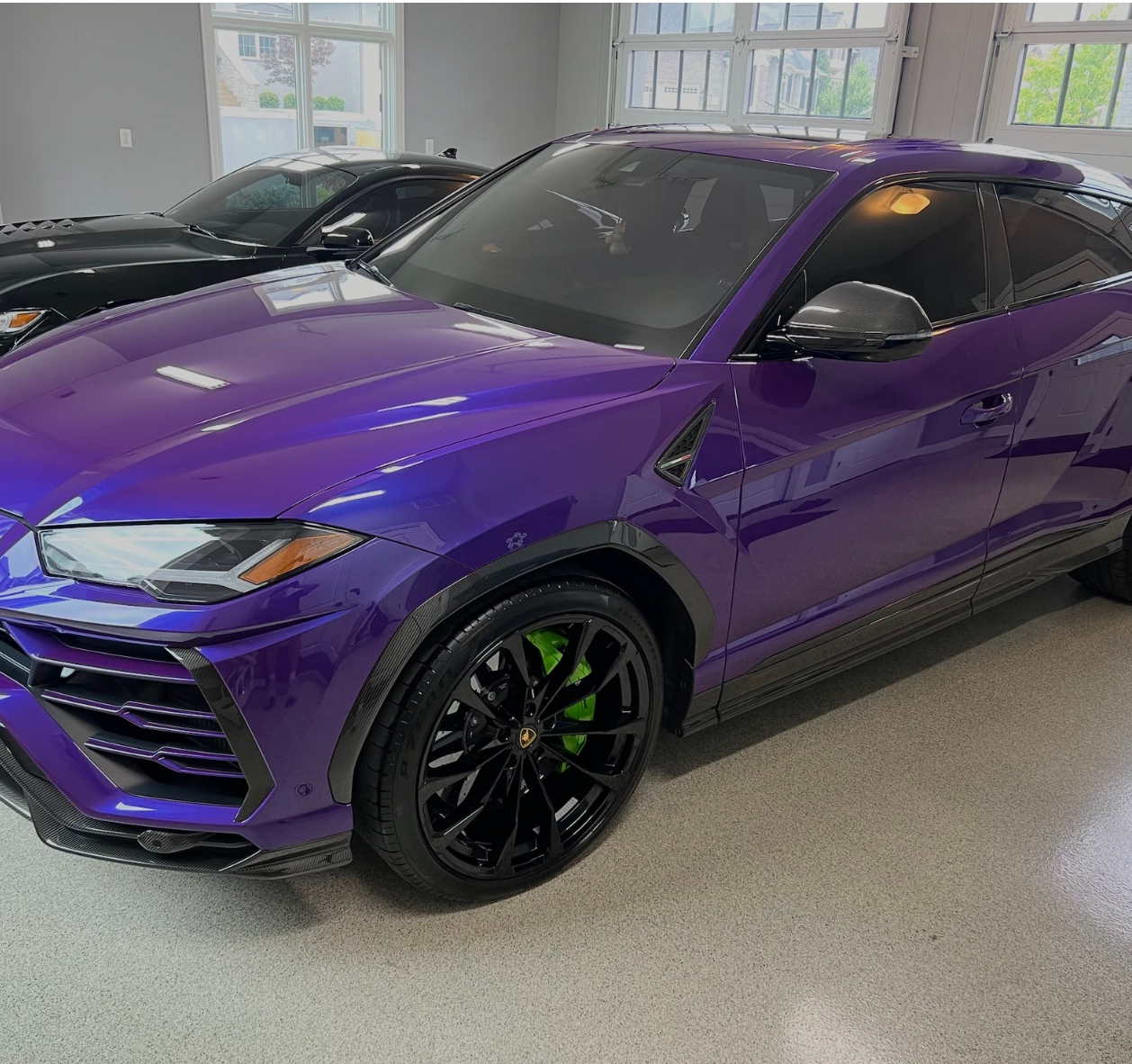
Full-body color changes, chrome deletes, and clear paint protection film using premium cast vinyl and self-healing urethane from Avery Dennison, KPMF, 3M, and XPEL. The factory paint stays underneath; the film takes the road damage and the UV instead.
Why a wrap, instead of a respray
Three reasons people choose a wrap over paint:
- The factory paint is preserved. Lift the vinyl in five years and the showroom finish is underneath. Resale value is not surrendered to a custom respray.
- The protection layer is real. Cast vinyl absorbs UV, light scratches, and rock chips that would otherwise hit clearcoat. It is closer to PPF than to a paint job.
- Color is unbounded. Satin sage. Matte midnight. Brushed copper. Color-shift purple-to-teal. The vinyl catalog goes places paint cannot.
The films we install
Only premium cast films enter the bay:
- Avery Dennison Supreme Wrapping Film — the workhorse for color changes. Self-healing topcoat, conformable, long-life.
- KPMF K75400 — deeper color saturation in matte and satin tones.
- 3M 2080 — wide finish library, extremely well-tested adhesive.
We don’t stock calendered or low-tier films. They shrink, lift, and chalk early — we can’t guarantee work installed on them.
What a custom wrap involves
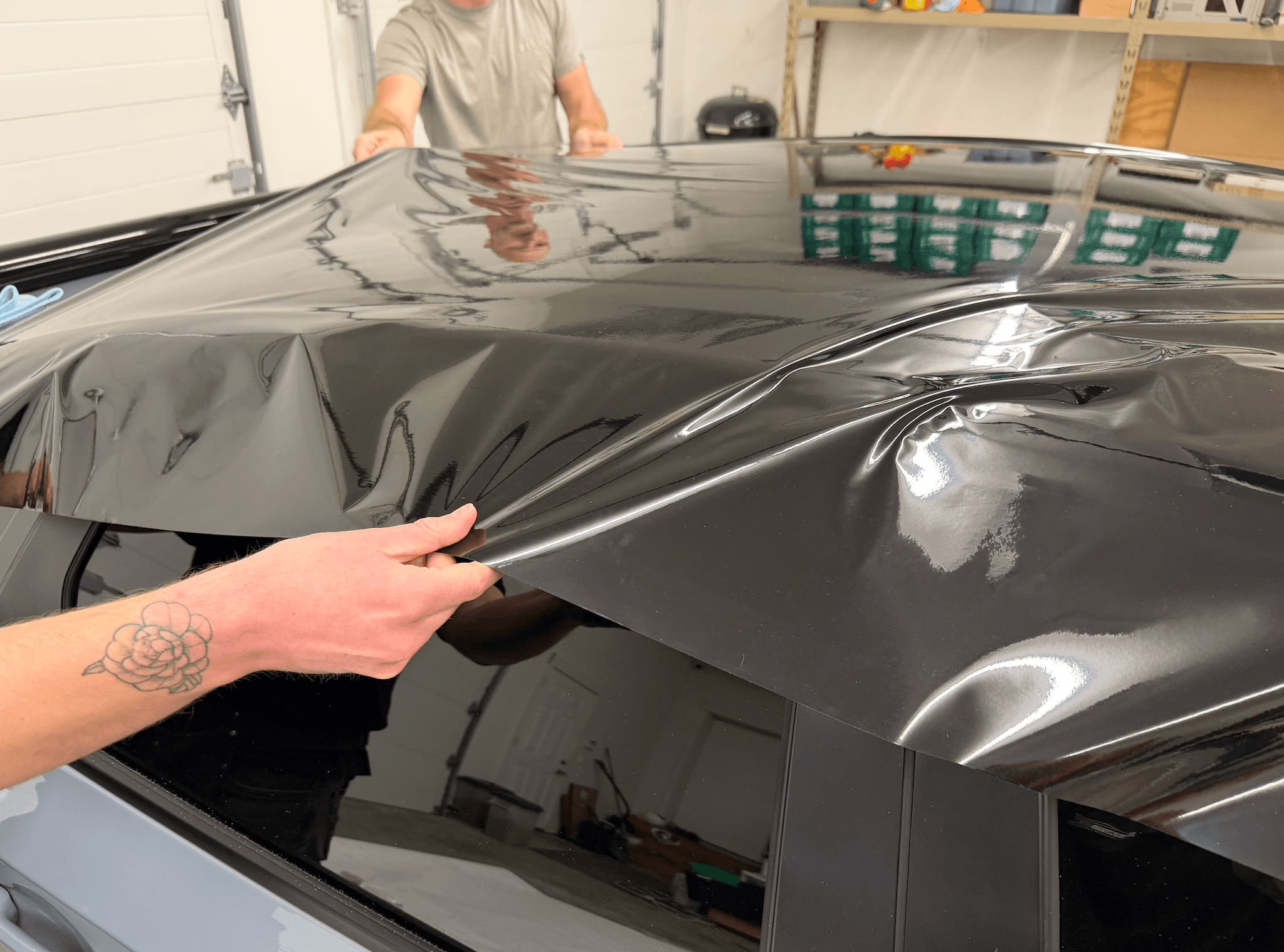
The vehicle is washed, decontaminated, and disassembled where edges need to wrap behind a panel — door handles, badges, mirror caps. Vinyl is cut and applied panel-by-panel under heat, with edges tucked rather than razor-cut against paint. A full-body change typically runs three to seven working days depending on complexity.
Paint protection film, in plain language
PPF is the clear cousin of a vinyl wrap. Same install discipline, different chemistry. Where a colored wrap is cast vinyl built for aesthetics, paint protection film is optically clear self-healing urethane built for armor. It bonds invisibly to paint, takes the rock chips, sand-blast, salt-spray, and bug-acid etching that would otherwise punch through clearcoat, and reflows over fine scratches when warmed by the sun.
You can have one, the other, or both. We layer PPF underneath a wrap when a client wants color and armor on a high-value car.
Where PPF makes the most sense
- Full front — bumper, hood, fenders, mirrors, headlights. The panels that take 90% of the highway damage.
- Partial front — leading edge of hood, bumper, lower fenders. The lowest-cost tier with most of the protection.
- Rocker panels — the sand-blast zone behind the front wheels.
- Door cups and door edges — clear film where fingernails and adjacent doors hit paint.
- High-impact pieces on a wrapped car — PPF on the leading edges, vinyl over the body.
How it differs from a wrap
| Vinyl Wrap | Paint Protection Film | |
|---|---|---|
| Purpose | Color, finish, aesthetic | Armor, impact resistance |
| Material | Cast PVC vinyl | Optically clear urethane |
| Visibility | Visible — that’s the point | Invisible at three feet |
| Self-heals | Some films, mildly | Yes — heat resets fine scratches |
| Lifespan | 5–7 years (premium cast) | 7–10 years (premium urethane) |
| Removable | Yes, leaves no residue | Yes, leaves no residue |
We install PPF from the same install bay, with the same surface prep, edge tucks, and post-heat memory-set process used for color wraps. The films we trust for clear protection are XPEL and 3M Scotchgard Pro — the urethane equivalents of the cast films we install for color.
Step by step, measured at every stage.
- 01
Surface prep.
Wash, decontamination, and IPA wipe of every inch of every panel that's getting film. Adhesive only sticks to a chemically clean surface — anything trapped underneath shows up as a bubble within weeks.
- 02
Panel measurement and cut.
Each panel measured and the film cut with a working margin. Custom-printed or off-the-roll color, every cut is platform-specific so the seam lines fall where the eye expects them.
- 03
Application.
Squeegee-and-heat work into compound curves. Handles, mirrors, and reveal lines wrapped through, not sliced past — the film should disappear into the body line.
- 04
Edge tucks.
Edges tucked into reveal lines and door jambs. No exposed adhesive line, no sticker-edge tells. The wrap should look like factory paint, not a graphic.
- 05
Post-heat.
Memory-set the film at the manufacturer's recommended temperature. Locks the conformability so the film doesn't lift in summer heat or peel back at the leading edge.
- 06
Inspection.
Seams, alignment, and lift checked under raking light. Anything off — a misaligned graphic, a corner not tucked, a dust speck — gets reset before the car goes out.
Packages
- 01
Custom Color Wrap
Full-body color change in gloss, satin, matte, or specialty finishes. Avery Dennison Supreme Wrapping Film, KPMF K75400, and 3M 2080 are the standard catalog. Specialty films (chrome, color-shift, brushed) on request.
- 02
Paint Protection Film (PPF)
Optically clear self-healing urethane bonded to the most exposed paint on the car — full front, partial front, rocker panels, mirror caps, door cups. Stops rock chips, road rash, and bug-acid etching from ever reaching clearcoat. Heat lets the film reflow over fine scratches.
- 03
Chrome Delete
Targeted vinyl over factory chrome trim — window surrounds, badging, grille work, mirror caps. The single highest-impact aesthetic change for the cost. Most jobs are completed in a day.
- 04
Vinyl Removal
Heat-and-pull removal of existing wraps. Adhesive residue is cleaned without damaging the underlying paint. Common before resale, lease return, or a fresh wrap install.
Wraps & PPF. Signed off.
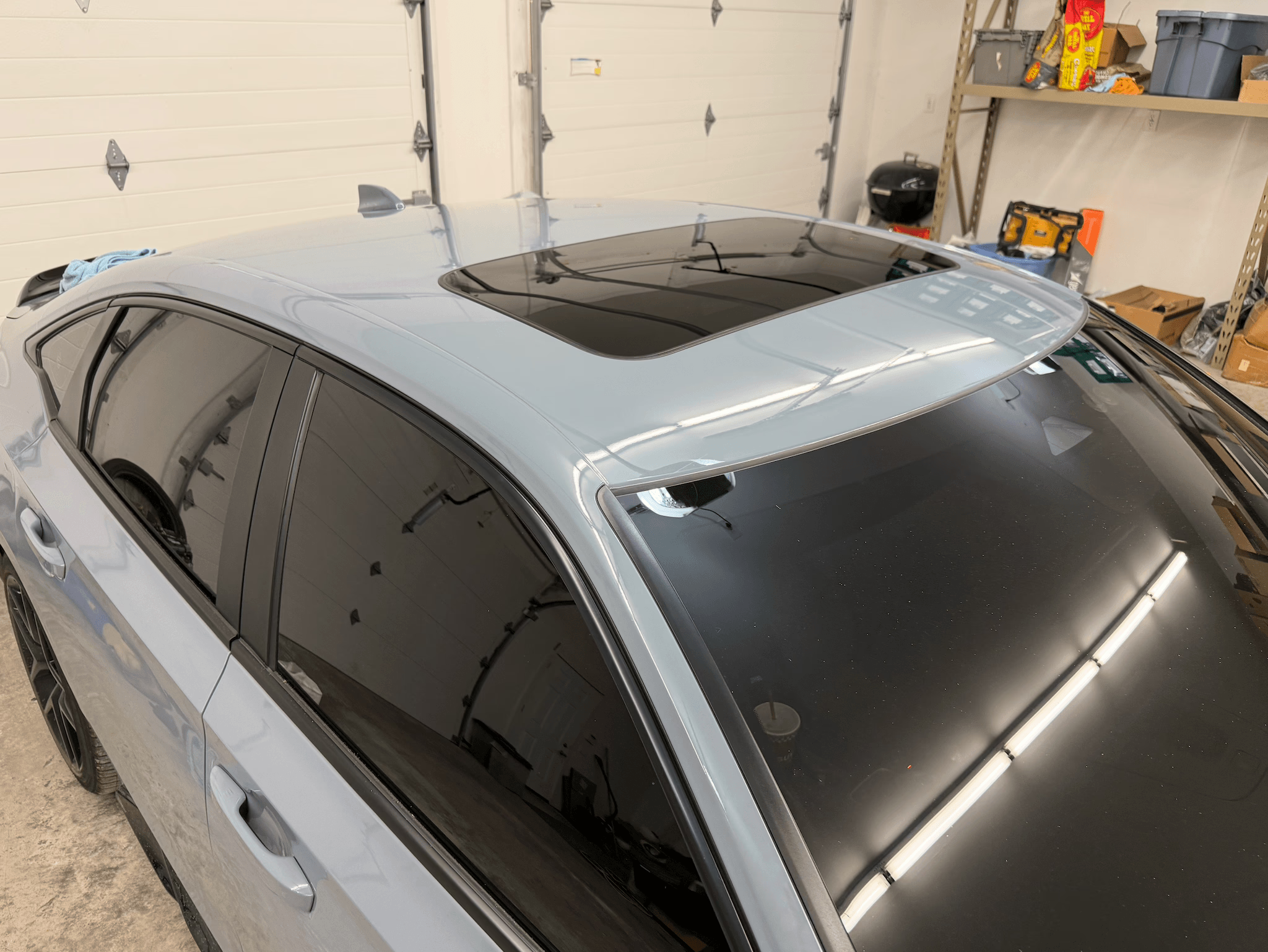
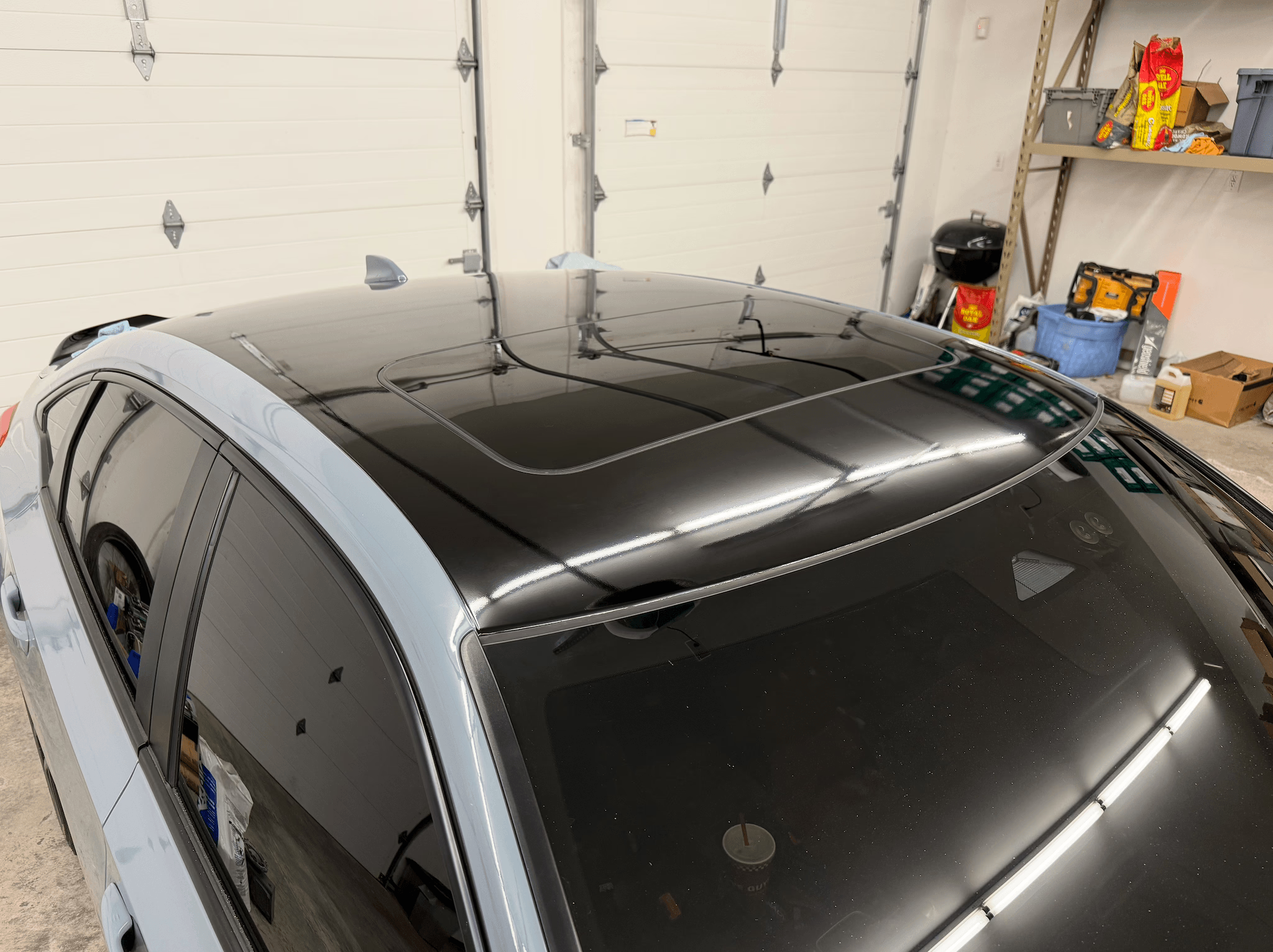
A working portfolio — every photograph is real work that left the McCordsville bay or rolled away from a job site signed off by Cecil.
Tell us about your vehicle.
Send a few details and we will reply within one business day. Need to talk now? Call (317) 604-9904.
Starting from Wraps & PPF · you can add more below